
Blog
Karen's Blog
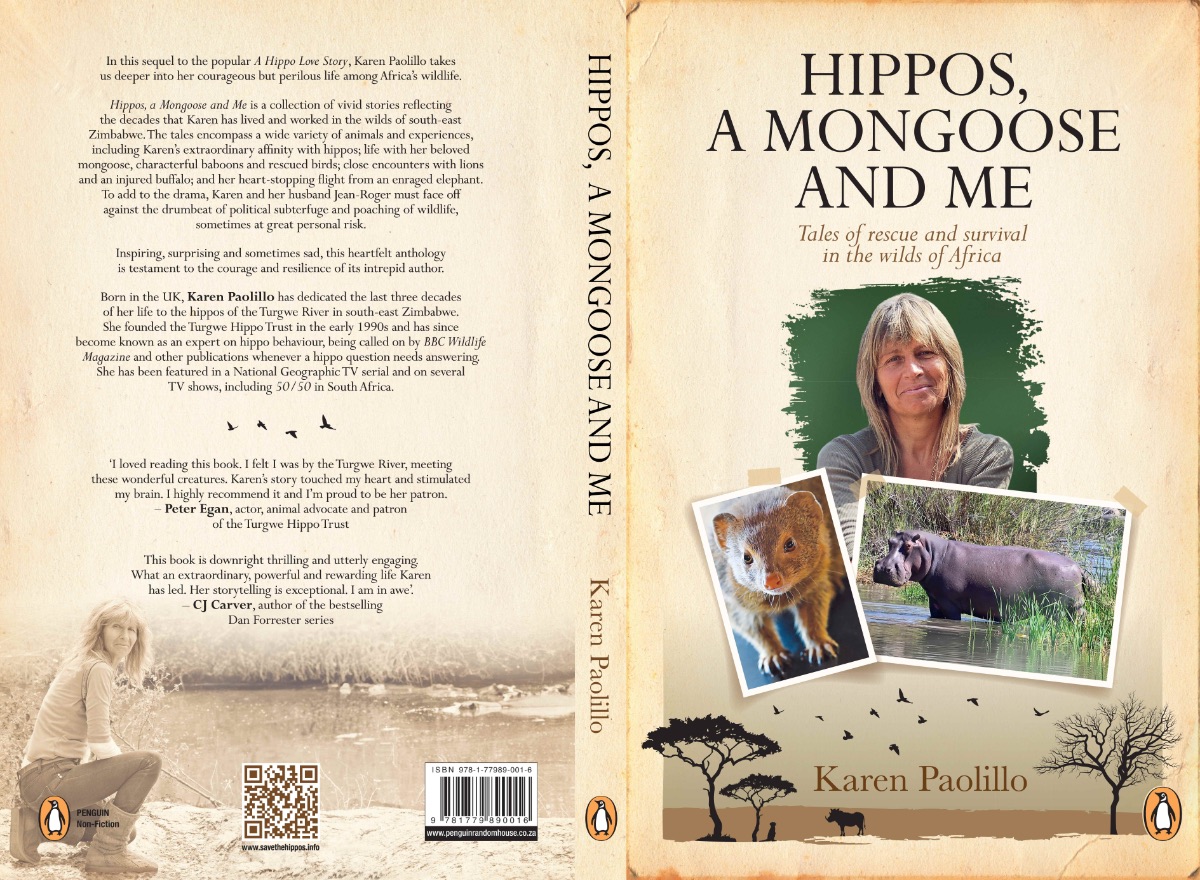
Latest News from April 2024
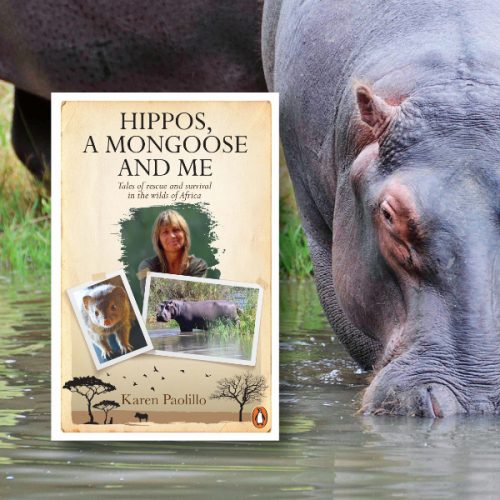
Comments about Karen’s New Book
There is a review of my book "HIPPOS, A MONGOOSE AND ME" at Se7en.org Please read it at : www.se7en.org.za/2024/02/23/hippos-a-mongoose-and-me-a-virtual-book-launch There are also other reviews on amazon so here are a couple of things that were said on amazon :Inge...
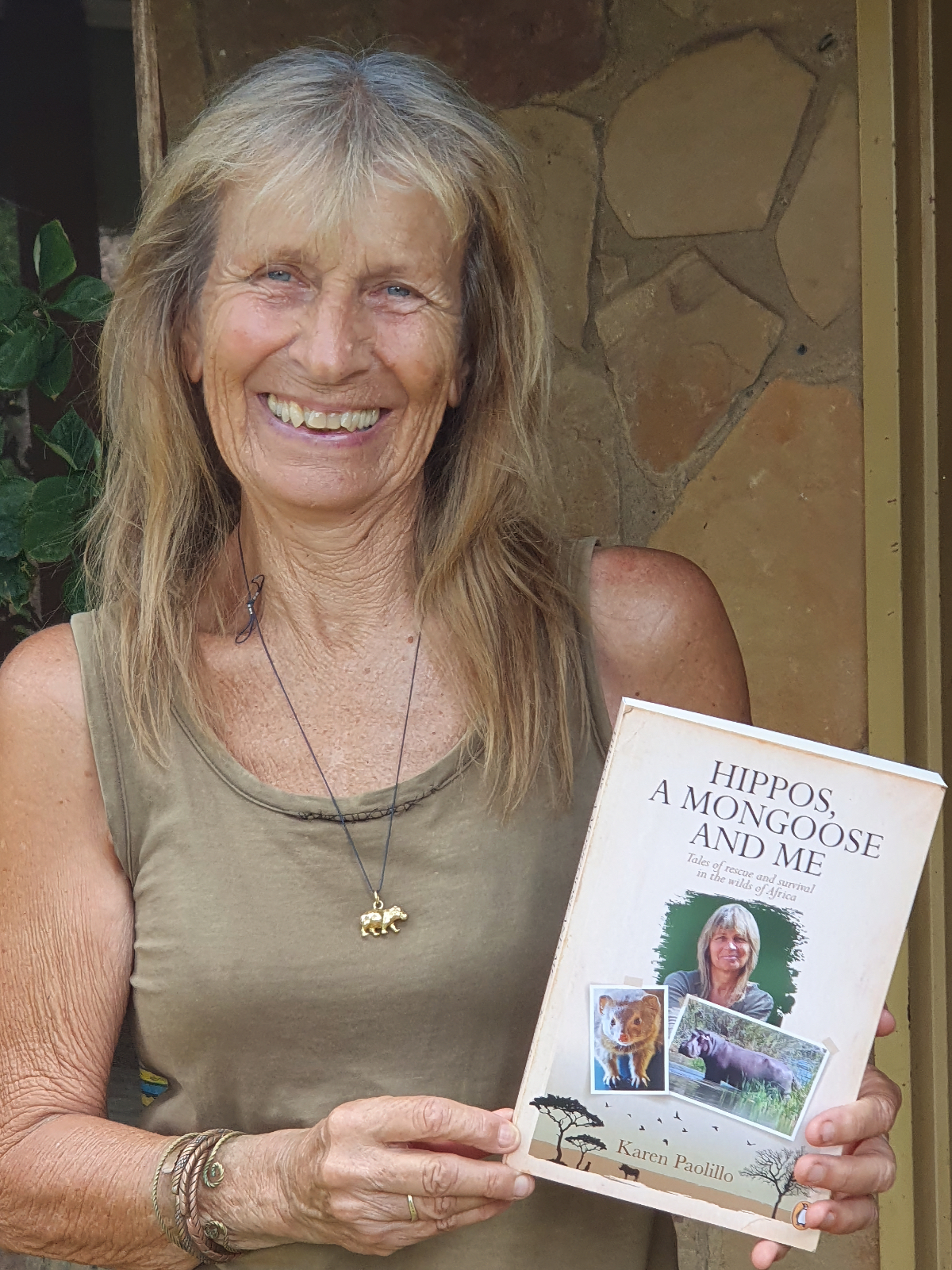
Peter Egan and Karen’s Video launching new Karen’s Book
Hi everyone here is the youtube link to watch HIPPOS, A MONGOOSE AND ME the online book launch in South African which was on World Hippo Day 15th February. The wonderful British actor from Downton Abbey, True Love, Chariots of Fire etc and firm animal advocate along...
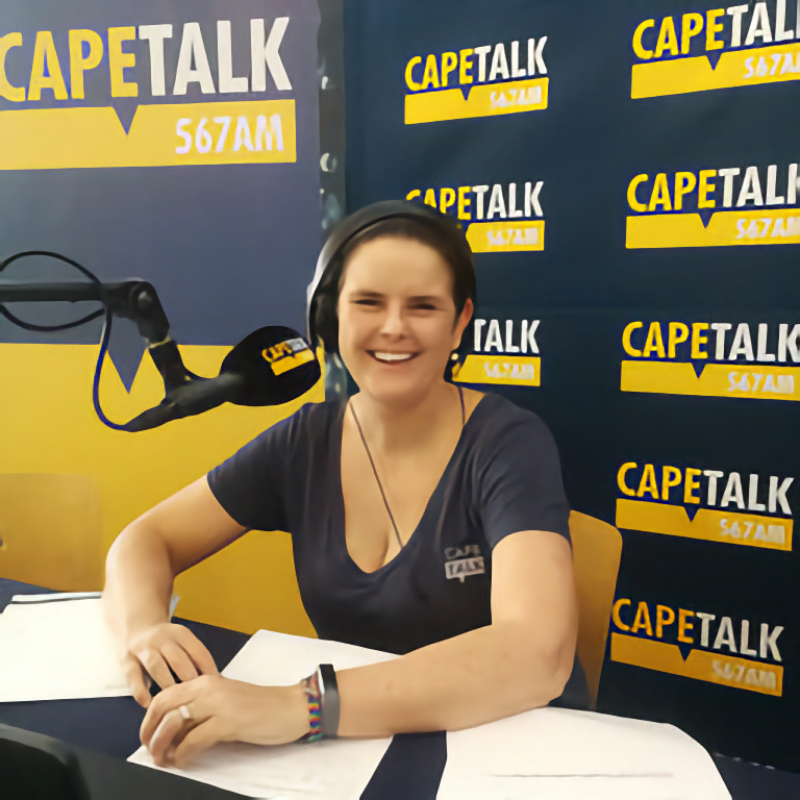
Pippa’s Talk with Karen
Register for the Live Launch of Karen’s New Book
Happenings At Turgwe Hippo Trust
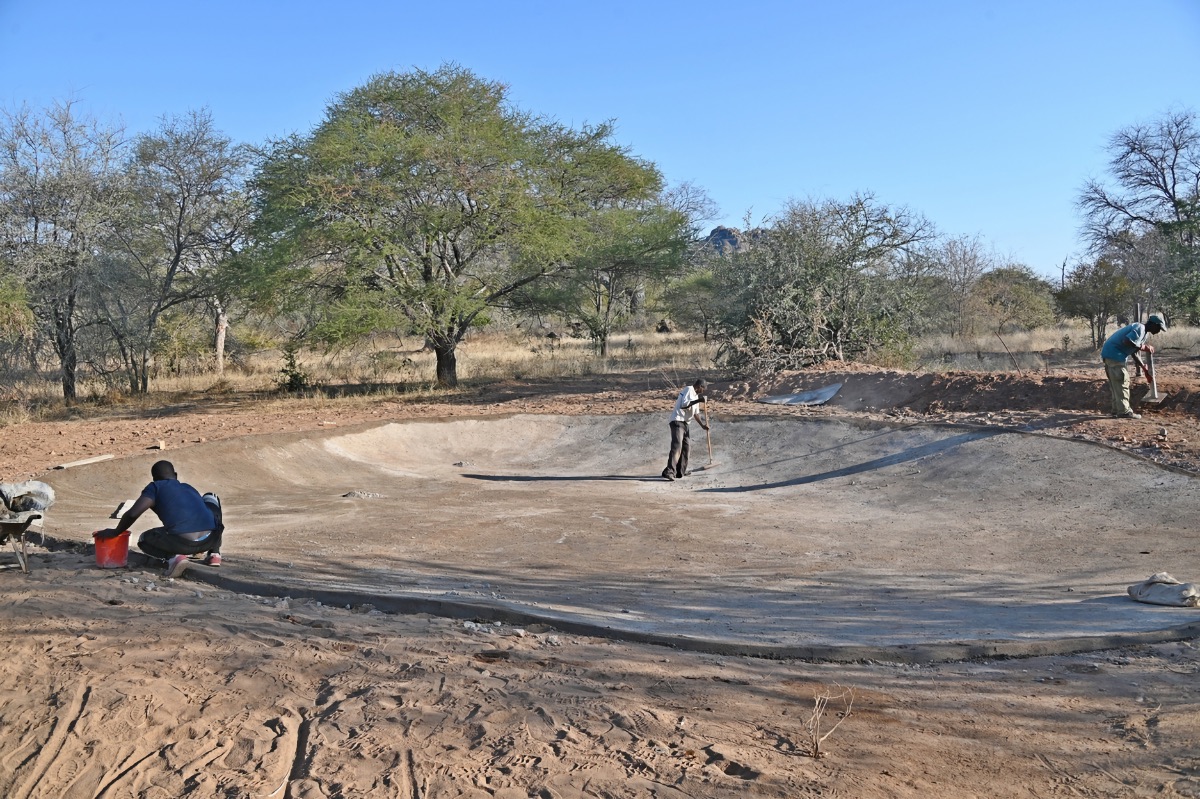
I have been remiss at writing an update for you as to what has been happening at the Turgwe Hippo Trust in the last several months. So in a nutshell I will try to fill you all in. Thanks to many of you, we have managed to stay afloat this year, which has not been...
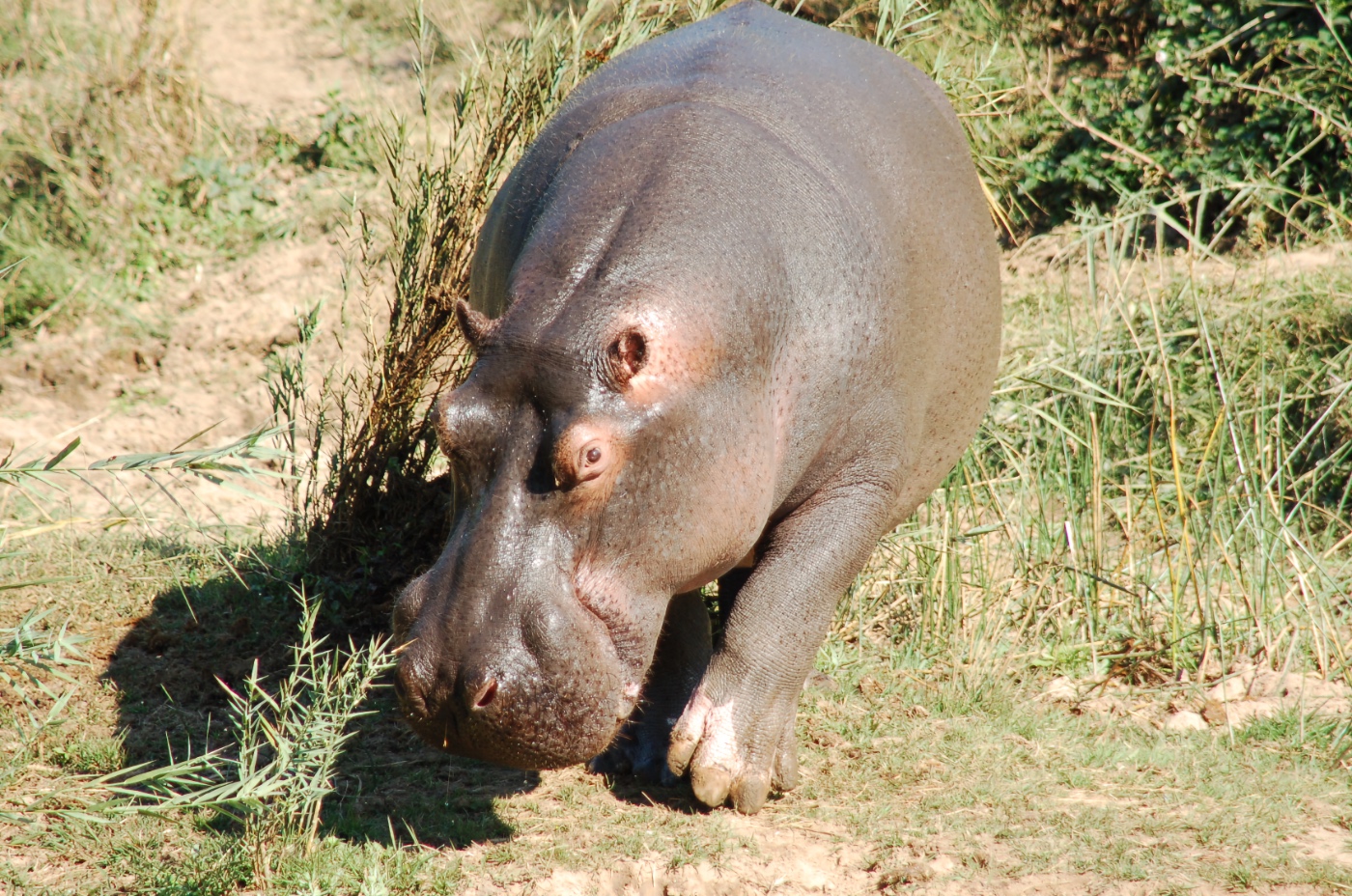
TEMBIA – Possibly Shot on December 23rd 2022.
Son of Bob and Lace, born June 16th 1993. Possibly Shot on December 23rd 2022. I have been putting off writing this news hoping against hope that I would not have to, but now I feel I have to say what I think has occurred. On December 23rd 2022 I was given a report...
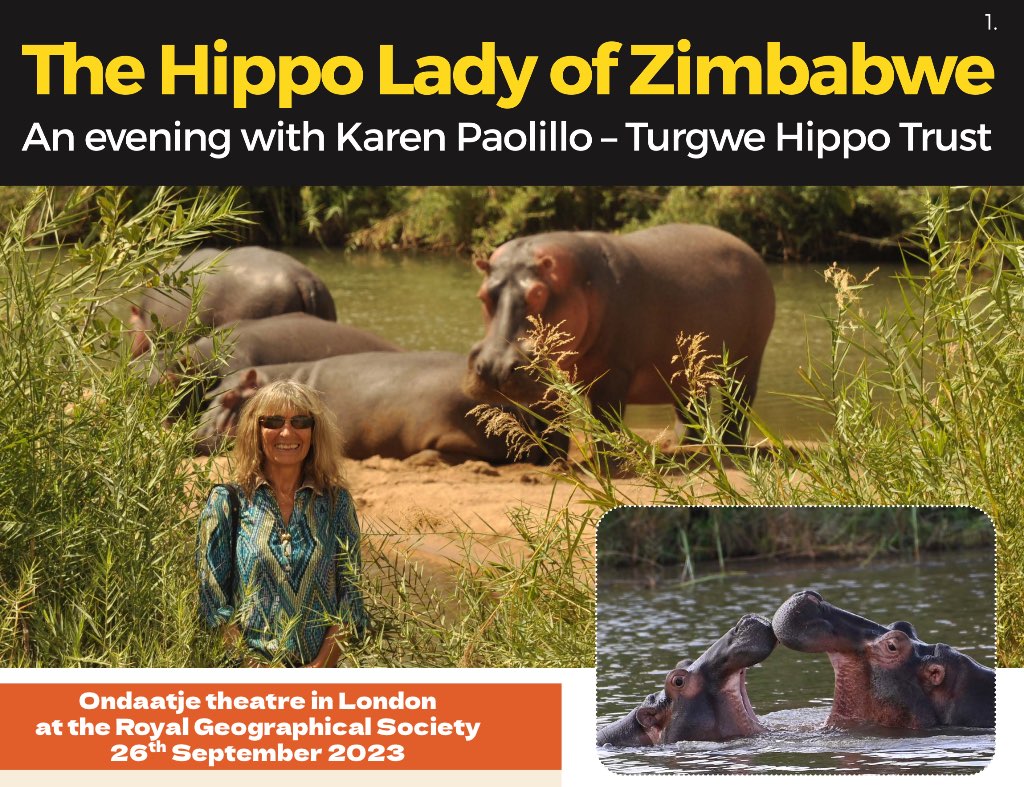
Hippo Presentation at the Ondaatje Theatre in London
Karen Paolillo Founder of Turgwe Hippo Trust will be giving a hippo presentation at the Ondaatje theatre in London, at the Royal Geographical Society, on 26th September. Here is the programme for the event.You can download the full programme as a PDF file, click here...
SQUIGGLE (March 3rd 2013 to May 18th 2022)
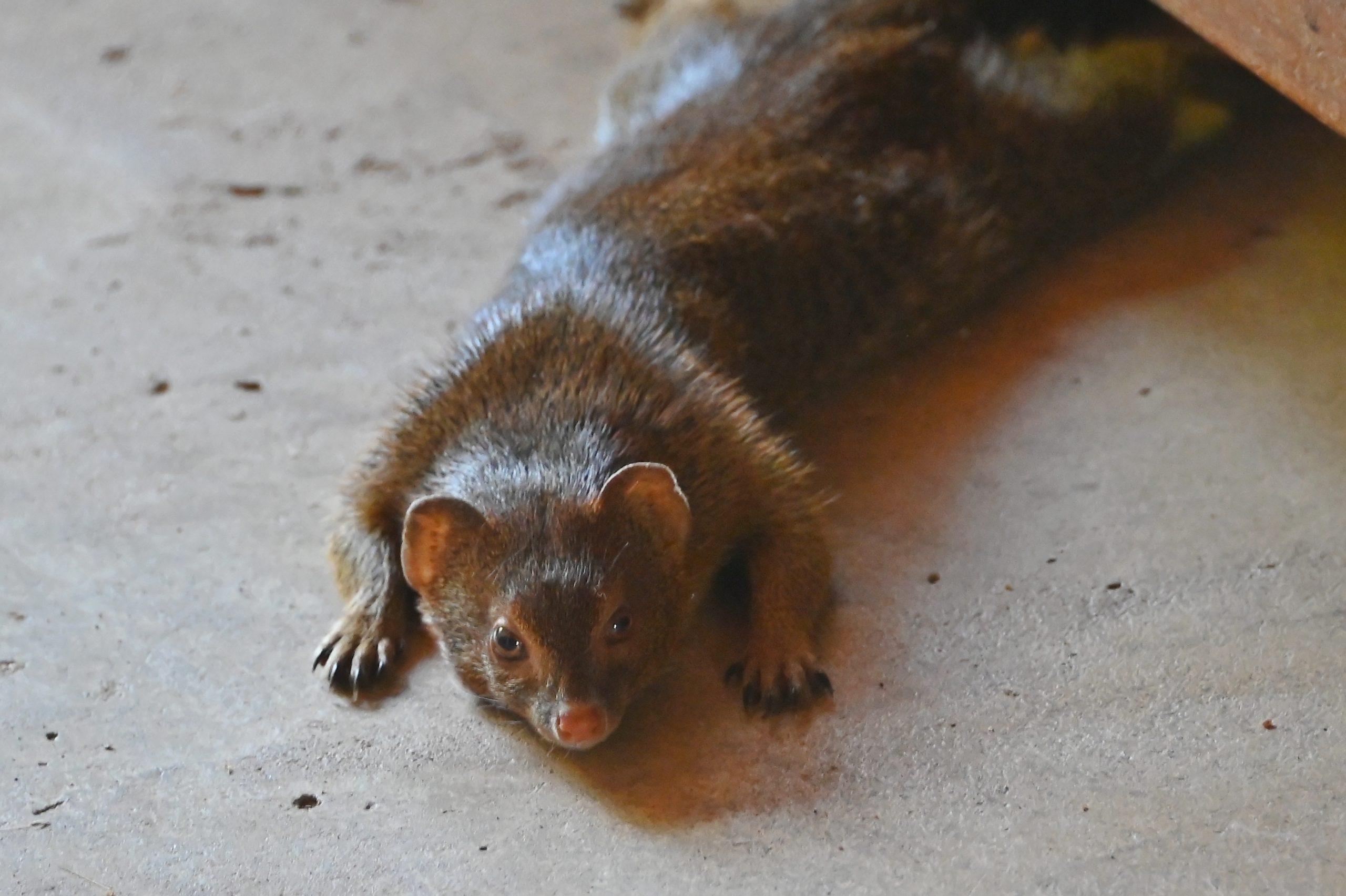
I never knew that pain could be as severe as it is now inside of my body. In my years of loving animals I have had many pass over the rainbow bridge and in every loss the sorrow, the grief, and guilt has enveloped me. Yet today it is more than that, it is a loss like...

Karen Hosted at CBS-Evening News
Hi everyone the wonderful Chip Reid of CBS news just sent me the link to what he made for the hippos. I simply love it. Here it is for all that could not watch it last night in the US, like ourselves here in Zim A HUGE HIPPO HUG TO CHIP AND NINA REID. Chip for your...
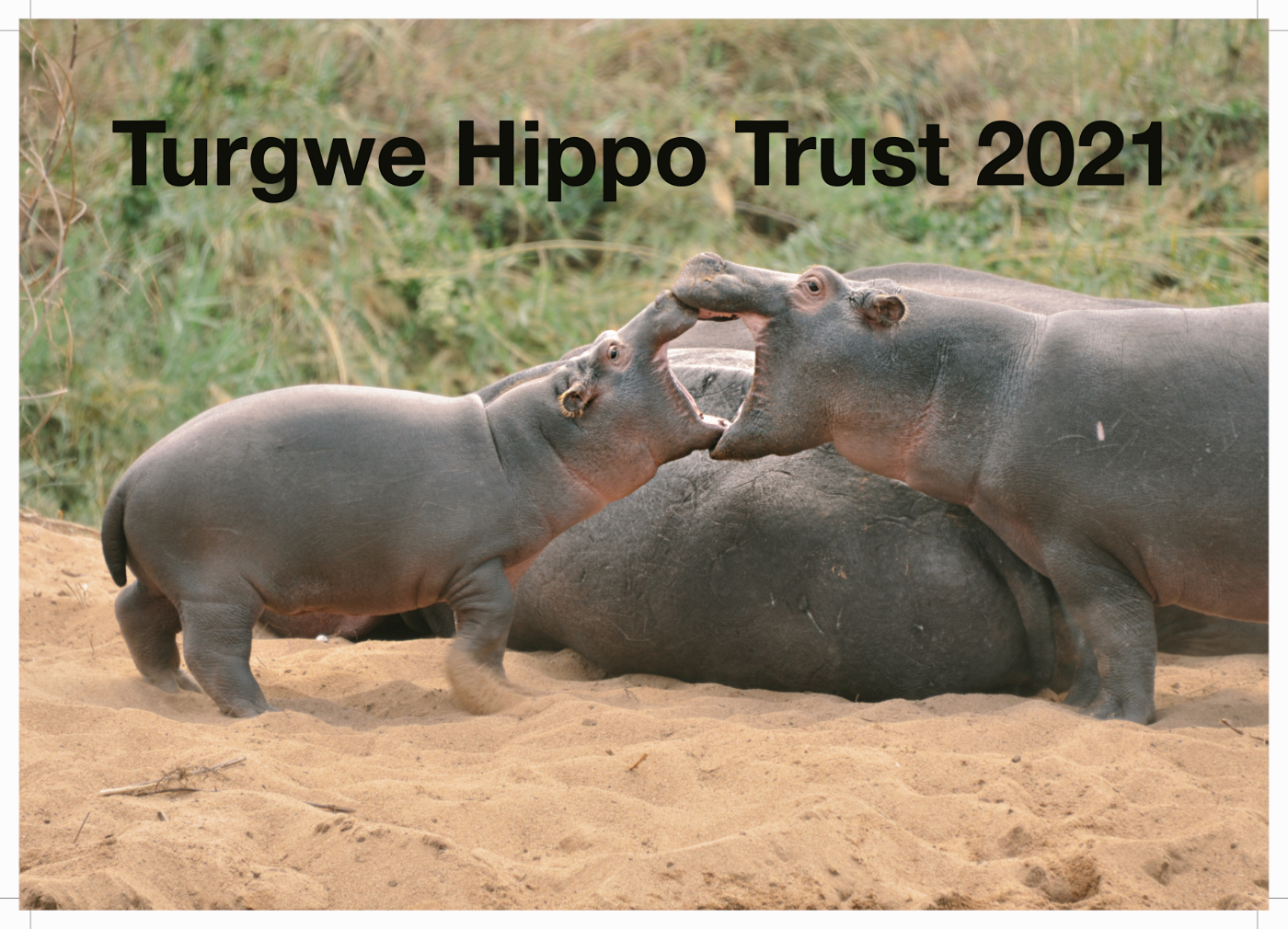
2021 Calendars are available for ordering
Hello This year, Turgwe Hippo Trust proposes 2 calendars : the usual Hippo's calendar and the brand new wildlife's calendar. They are ready for shipment. So hurry to order them. Same price as last year. Traditional Hippo's calendar Featuring: Max, Kai, Tembia,...
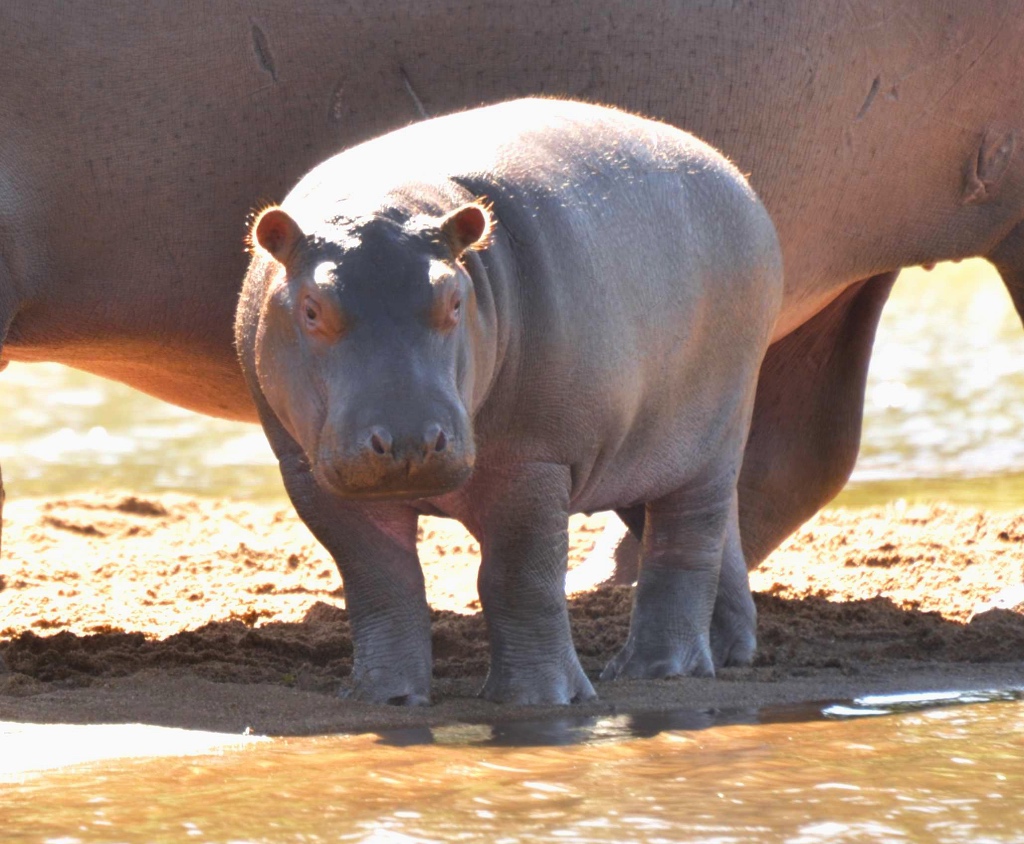
A New Lady Hippo is waiting for a Name
The last hippo calf of this season for you to have a chance to name is a female I am ninety percent sure of. I have been waiting up until now to be sure of her sex. So if I am wrong and you have won the draw then I will let you change her name to a male name. In the...